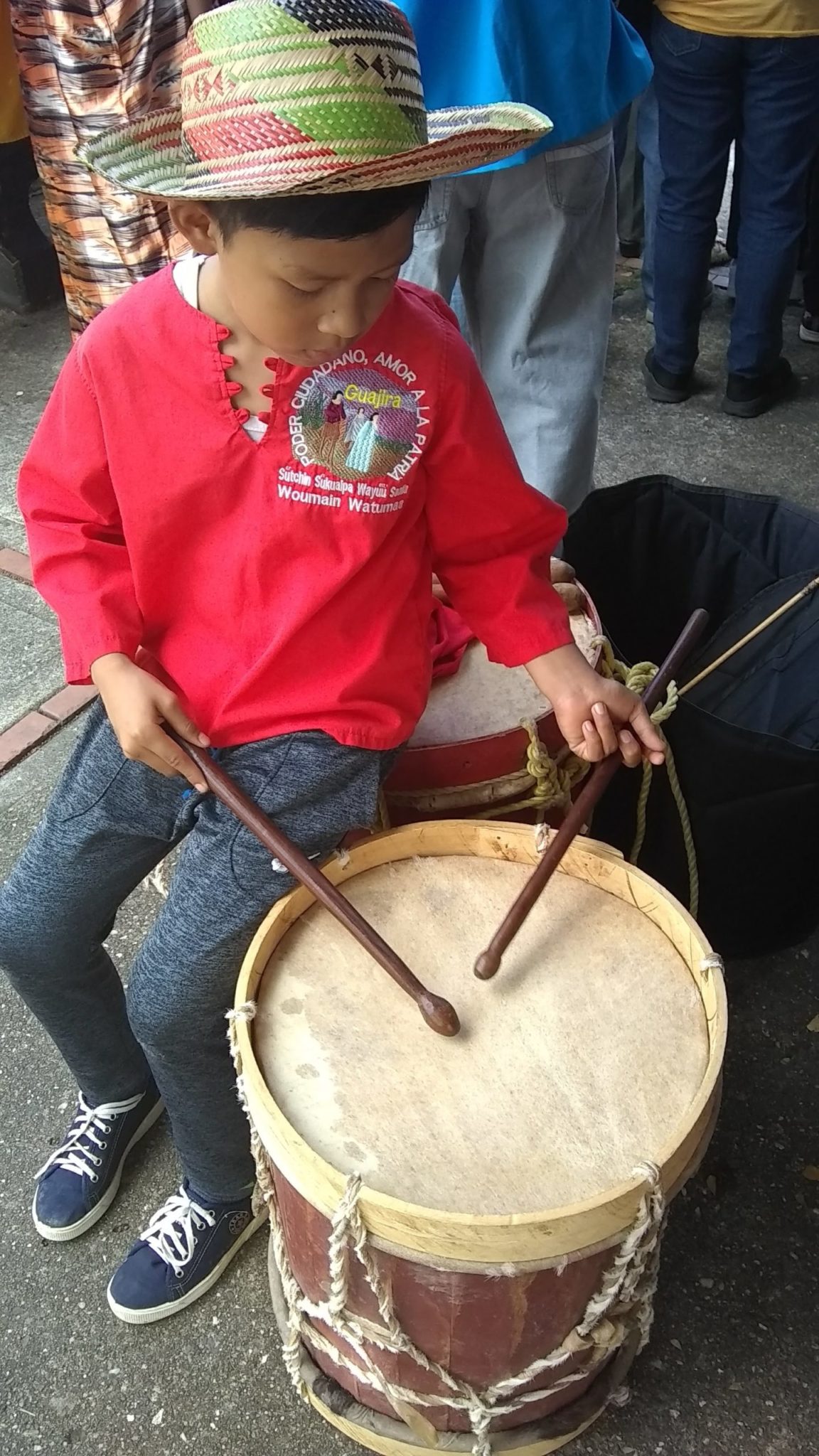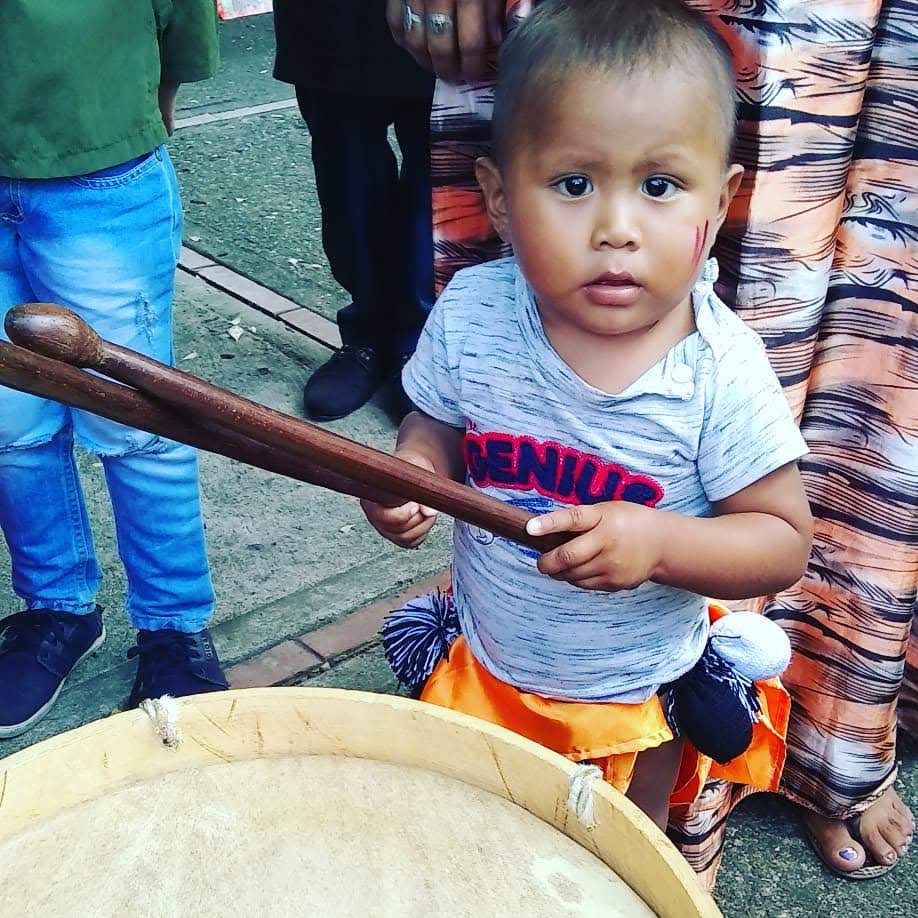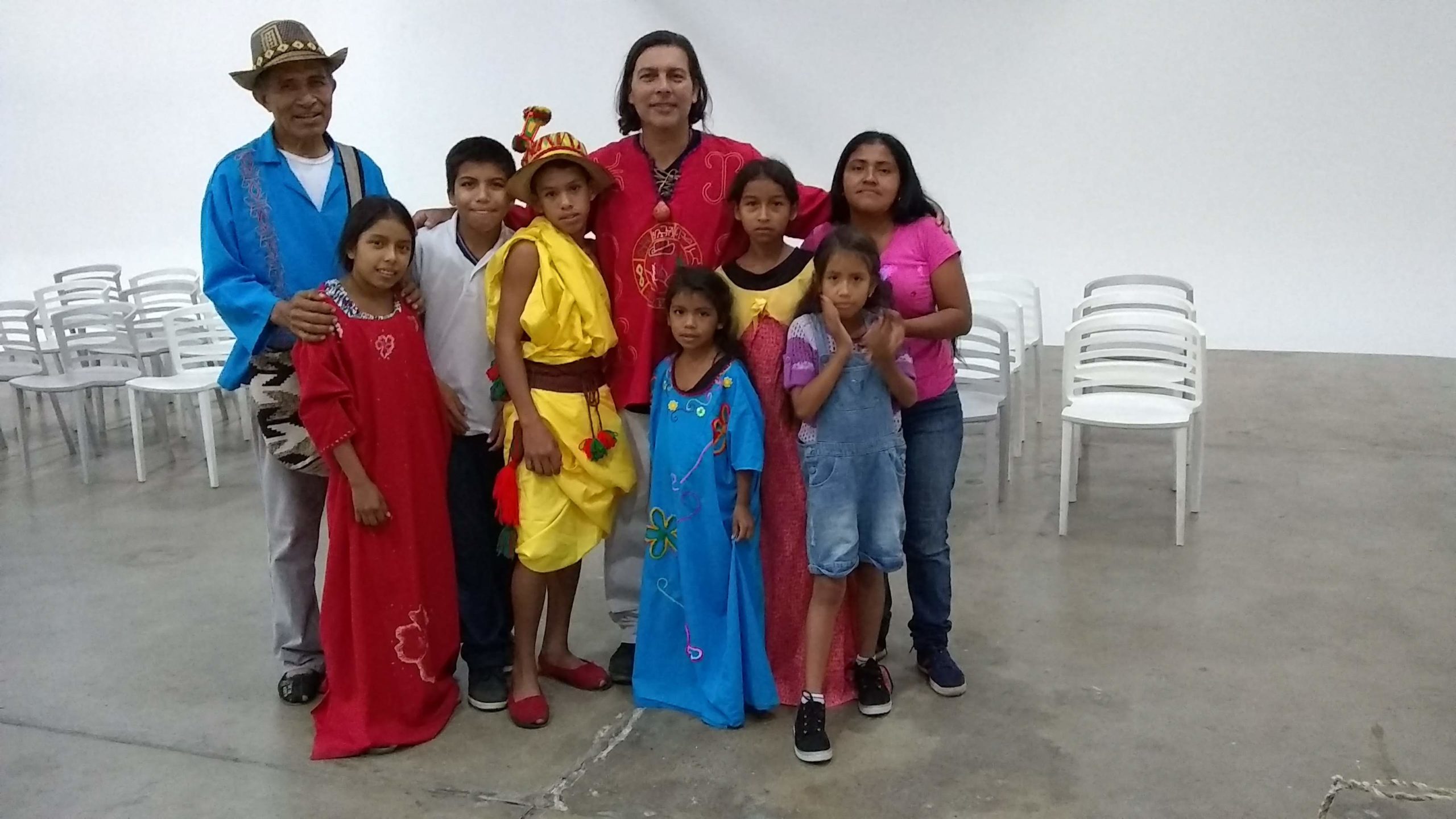
Last March 18 we commemorated Indigenous Children's Day in Venezuela. Although today is a date that embraces all the country's native peoples, its roots go back to more than 30 years of tradition initially dedicated to Wayuu childhood.
El pasado 18 de marzo conmemoramos el Día de la Niño Indígena en Venezuela. Aunque hoy es una fecha que abraza a todos los pueblos originarios del país, su raíz se remonta a más de 30 años de tradición dedicada inicialmente a la infancia wayuu.
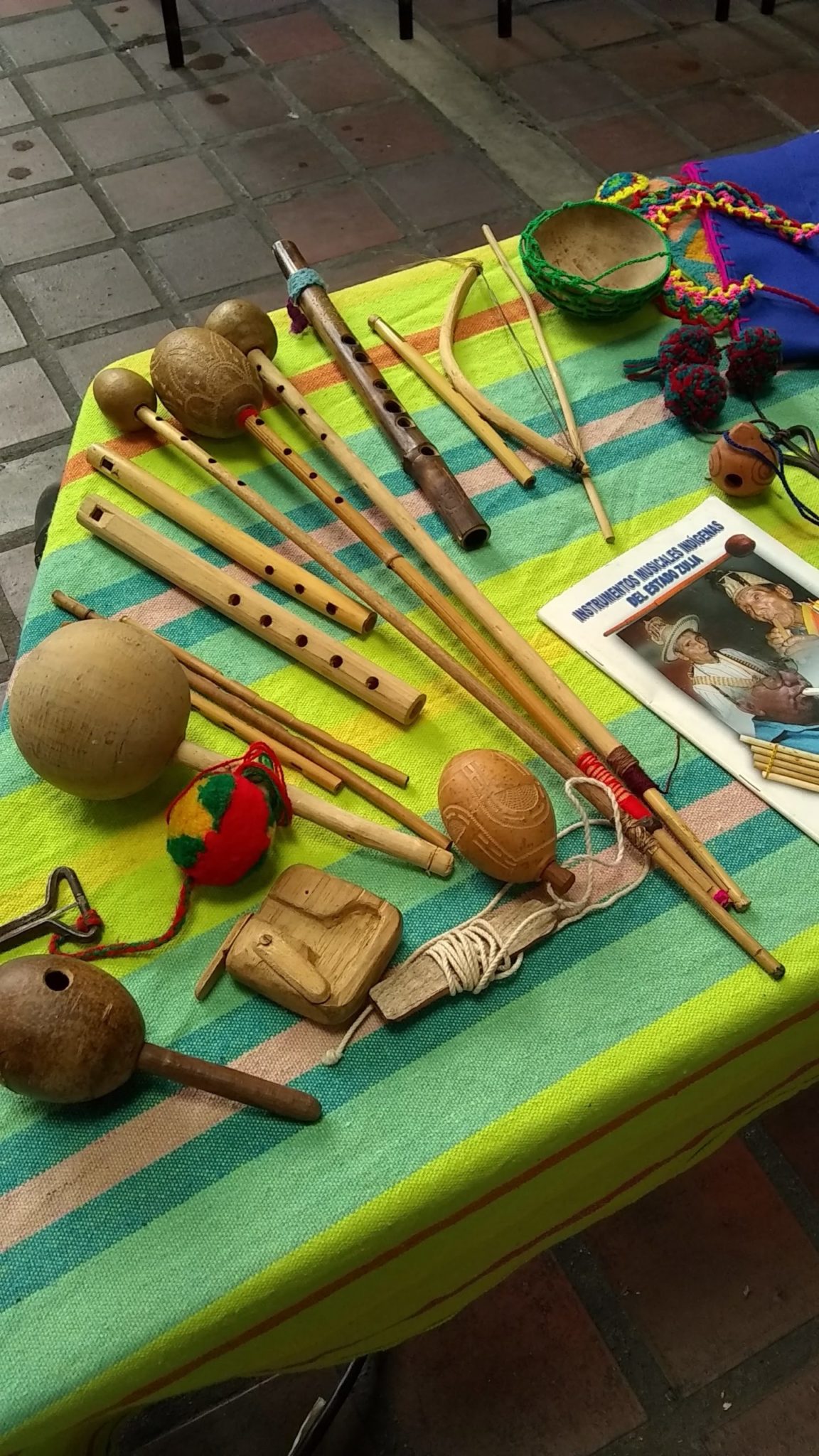
In this framework, we share Siko'u (Fire in the Cemetery), a piece originally composed for the trailer of @algimiromontiel documentary. The work is a sound fabric performed with ancestral instruments: the Sawawa and Maa'si flutes, the Wotoroyoy clarinet, the Kaasha drum and the Truompa (mouth harp).
En este marco, compartimos Siko’u (Fuego en el cementerio), una pieza compuesta originalmente para el tráiler del documental de @algimiromontiel. La obra es un tejido sonoro interpretado con instrumentos ancestrales: las flautas Sawawa y Maa´si, el clarinete Wotoroyoy, el tambor Kaasha y la Truompa (arpa de boca).
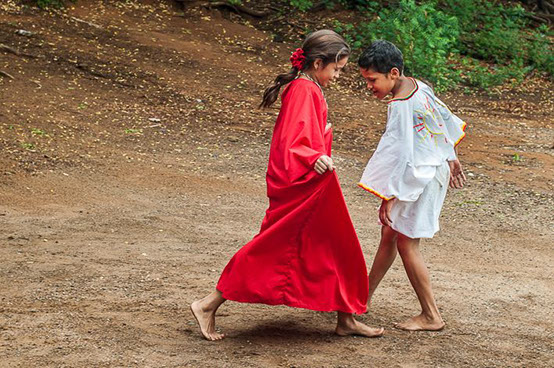
Siko'u evokes the ritual of lighting bonfires in the cemetery (nusima outushikai) to guide the deceased during their transition. Here, fire symbolizes life and the passage to Jepira, the path to eternity. This interpretation was possible thanks to the talent of an ensemble of wayuu children: Valentín, Domini, Daviana, Deyailin, Lizandro, Mayelis, Leonardo, Jirvelis, Liober and Yeiver, under the accompaniment of Pilar Romero.
Siko’u evoca el ritual de encender hogueras en el camposanto (nusima outushikai) para guiar al difunto durante su transición. Aquí, el fuego simboliza la vida y el paso hacia Jepira, el camino a la eternidad. Esta interpretación fue posible gracias al talento de un ensamble de niños wayuu: Valentín, Domini, Daviana, Deyailin, Lizandro, Mayelis, Leonardo, Jirvelis, Liober y Yeiver, bajo el acompañamiento de Pilar Romero.